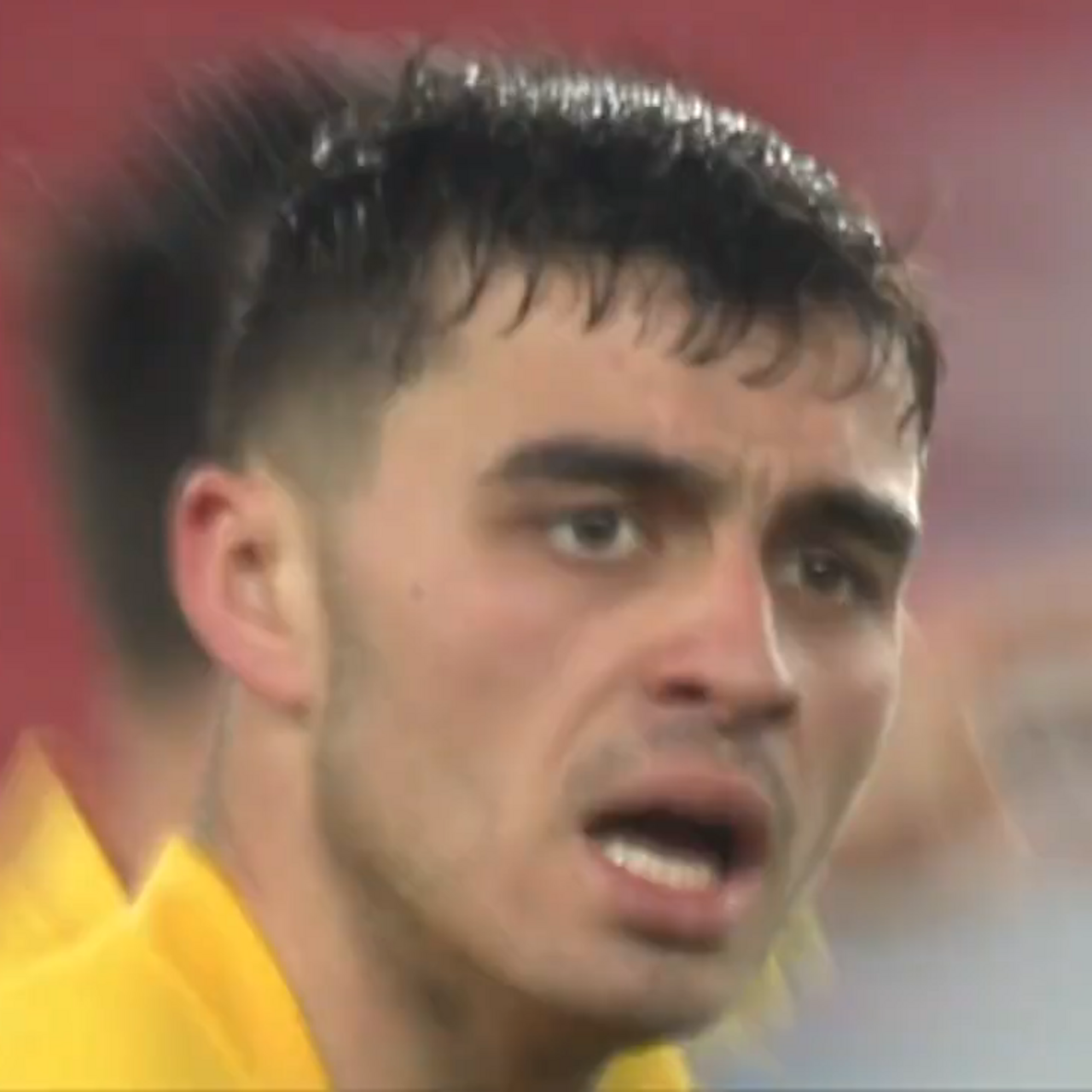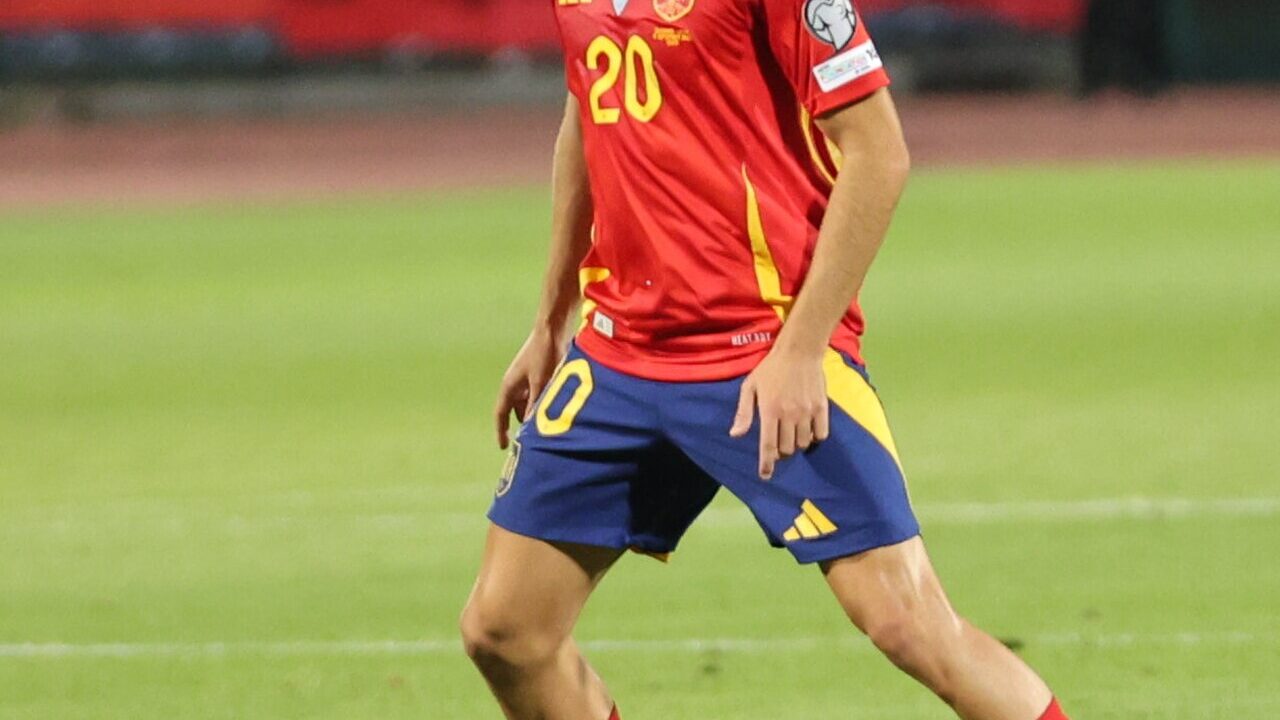
The Copa del Rey final took place on a Saturday evening in Seville, and by full-time the story everyone wanted to tell was about Lamine Yamal’s second-half winner and about Hansi Flick’s tactical genius and about what this trophy meant for the club’s ongoing recovery from its years in the financial wilderness. All of those stories were legitimate. But they missed, as the big stories often do, the player who had made all of those other narratives possible.
Marc Casadó played six games in Barcelona’s Copa del Rey run this season. He completed 94.3% of his passes across those six matches — the highest completion rate of any central midfielder in the competition. He averaged 4.7 defensive duels won per 90, the highest of any Barça player in the knockout rounds. And he did something that might be the most undervalued thing a midfielder can do in a cup competition: he played every minute of every game without once giving the opposition a genuine chance to exploit the space he was supposed to occupy.
He is 22 years old, a product of La Masia, and until recently he was more likely to appear in B-team previews than first-team headlines. The Copa del Rey changed that. Here is how.
The Casadó Profile
Casadó is not a flashy player. He will not beat three men and play a Hollywood pass. He does not shoot from distance in a way that makes the hair on the back of your neck stand up. If you watch the highlights of Barça’s Copa del Rey campaign, you may struggle to identify him in the footage — he tends to occupy the spaces between the glamorous moments, the moments where football is played rather than performed.
What he is, specifically, is a pure defensive midfielder with the technical quality to play out under pressure. In a team built around the technical excellence of Pedri and the creative industry of Fermín López, Casadó provides the platform — the base from which the more obviously gifted players can operate without defensive responsibility. He reads the game three seconds ahead of the moment, positioning himself to intercept transitions before they become dangerous.
He reminded me, watching him in the Copa semi-final against Athletic Club, of a young Sergio Busquets at the same age. Not as polished. Not yet as influential. But with the same essential quality: the ability to make a team better by simplifying the things that do not need to be complicated.
“Casadó does not make the highlight reel. He makes the highlight reel possible. There is a version of Barça’s Copa win that simply does not happen without him.”
The Transition from B Team to Starting XI
Casadó’s path to the first team is a case study in the benefits and frustrations of the La Masia system. He joined the academy at eight, progressed through every age group, and was promoted to Barça B at 18. He spent two seasons there — long enough to develop the tactical understanding that a La Liga squad demands, short enough that he never lost the hunger that drives young players to prove themselves.
His first senior squad registration came in January 2025, when Barça needed midfield cover amid an injury crisis. He played six minutes in a league match against Valencia. They were good minutes — tidy, composed, showing no trace of nerves — but they were six minutes, and the world did not notice. Hansi Flick noticed.
By the time the Copa del Rey began its knockout rounds in February, Casadó was Flick’s preferred rotation option in the pivot position. The Copa del Rey is the competition where rotation happens — where the squad depth is tested, where younger players get the chance to demonstrate they belong. Casadó took that chance with both hands and refused to let go.
The Final
Against Valencia in the final at the Estadio de La Cartuja, Casadó started alongside Pedri in a slightly modified midfield shape — Pedri given more freedom to advance, with Casadó holding the base. The result was one of the most controlled cup final performances in recent memory. Valencia, who had produced some extraordinary football to reach the final, found themselves unable to build through the middle because every time they tried, there was Casadó — not dramatically, not spectacularly, but immovably.
Barça won 2-1 after extra time. Yamal scored the winner. Casadó played every minute. He will not be remembered as the hero of the Copa del Rey, because football does not have a statistical category for “the player who made the space for the hero to be heroic.” But those of us who spent the spring watching this team play know what he contributed.
The Future
Flick has spoken about Casadó in terms that suggest the German manager regards him as a genuine first-team option rather than a reliable emergency alternative. Whether that translates to meaningful league minutes next season will depend on whether Gavi returns to full fitness and whether the club adds midfield depth in the summer window.
My sense, having watched him across six important matches this spring, is that Casadó is precisely the kind of player who makes squads better without making transfer windows exciting. He will not be linked to Manchester City. He will not generate newspaper columns speculating about his future value. He will simply play, and be good, and make the teammates around him better.
In a squad as talented as this Barcelona one, that might be the most important thing of all.