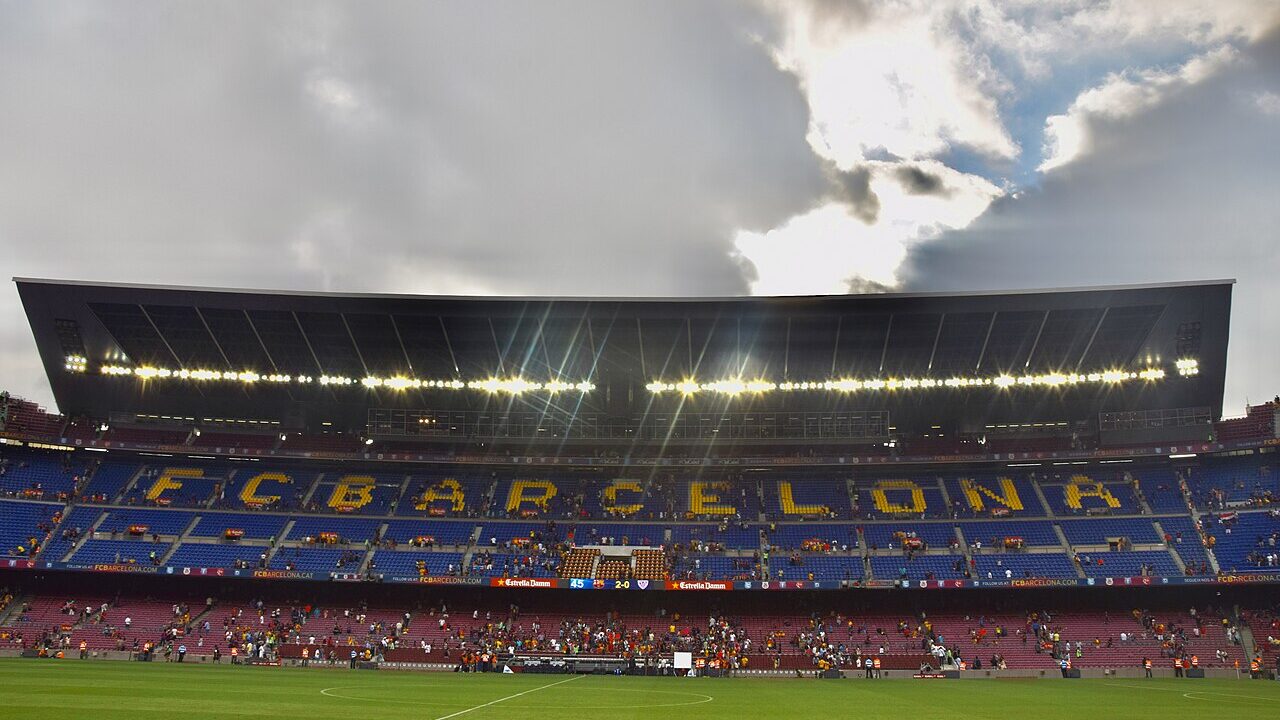
Numbers are not glamorous. They do not score goals. They do not produce the kind of moment — Lamine Yamal turning inside a defender at the Camp Nou, the crowd rising as one — that makes people fall in love with football. But numbers, over the past five years, have come to dominate the conversation around FC Barcelona in ways that would have been unimaginable in the Messi era. And if you want to understand what happens this summer in the transfer market, you need to understand the numbers first.
Let me try to make this as clear as possible, because a lot of the reporting around Barcelona’s finances has been either breathlessly alarmist or suspiciously optimistic. The truth, as usual, is considerably more nuanced than either extreme.
Where Barcelona Were in 2021
The scale of Barcelona’s financial crisis in 2021-22 was genuinely extraordinary. The club reported a net debt of approximately €1.35 billion and a wage bill that consumed over 103% of revenue — a ratio so obviously unsustainable that it is almost impressive in its recklessness. The club’s football creditors were owed hundreds of millions. La Liga’s financial control system — which caps clubs’ spending based on a formula factoring revenues, expenditure, and debt — had assigned Barça a salary cap of negative €144m, effectively meaning they could not register new signings without removing existing wage costs.
They were, to use the technical term, an absolute mess.
The response was a combination of emergency measures that Joan Laporta’s board branded “economic levers” — essentially, selling future revenue streams (TV rights, studio royalties) to generate immediate liquidity. These lever activations raised approximately €667m across several rounds. They stabilised the club’s immediate financial position while creating, critics argued, future obligations that would constrain spending for years to come.
The Recovery
Four years on, the picture is meaningfully different — not perfect, but different. Barcelona’s revenue in the 2024-25 season reached €1.06 billion, making them the second-highest-earning football club on the planet. The wage-to-revenue ratio has fallen to approximately 58%, which is still high by European standards but now within a range that competent management can work with. The net debt figure has reduced to around €800m.
La Liga’s financial fair play system — which operates through what it calls its “Economic Control” mechanism — has restored Barcelona’s spending capacity to approximately €180m for this summer, according to the most recent reporting. This is a genuine number, not a fantasy. But it comes with caveats.
“Barcelona can spend this summer. The question is not whether they have the capacity — it is whether they have the wisdom to use it correctly.”
How LaLiga’s System Actually Works
Spain’s financial fair play rules are more complex than UEFA’s version and considerably more punitive. La Liga calculates each club’s “cost limit” — essentially the maximum amount it can spend on wages and amortised transfer fees — based on projected revenues minus structural costs minus a financial safety buffer. The formula is updated quarterly and can change significantly based on TV deal renegotiations, Champions League prize money, and commercial agreements.
Barcelona’s cost limit for 2025-26 was set at €588m. Their actual spending came in at approximately €521m, creating a headroom of roughly €67m. This headroom, combined with expected new signings being balanced against departures, is where the €180m transfer capacity figure comes from — but it is based on assumptions about salary reductions from departures that may or may not materialise in the way the club’s models project.
In practical terms: if Barça sign a player for £80m over four years, the amortised annual cost is £20m. That £20m comes off the cost limit. They also need to register the player’s salary. And they need to account for the existing wages of the squad they are starting with. The maths is simultaneously straightforward and viciously unforgiving.
The Summer Targets
Sources close to the club have identified four priority signings for this summer: a centre-forward following Robert Lewandowski’s departure on a free, a right-back given Jules Koundé’s occasional deployment in midfield, a creative midfielder to provide depth behind Pedri, and potentially a goalkeeper depending on Marc-André ter Stegen’s fitness. The combined fee for these four players, based on reported interest levels, could reach £240m.
That is not a number Barcelona can write a cheque for. What they can do is combine the £180m capacity with player sales — Clement Lenglet, Marcos Alonso, and several fringe players could generate between £30m and £50m — and creative payment structuring that spreads the financial impact across multiple fiscal years.
The upshot: Barça can probably afford two of the four priority signings comfortably, a third with some creativity, and the fourth only if the first three deals generate unexpected savings or if departures exceed projections. This is a club that has rebuilt, but has not yet fully rebuilt. The difference matters.
What History Tells Us
I have watched Barcelona navigate financial constraints since the post-Ronaldinho years. I watched them sign Messi on a napkin and spend €100m on David Villa and €57m on Zlatan Ibrahimovic. I watched the Neymar years and the spending spiral that followed his departure. And I have watched, these past four years, a club trying to rediscover fiscal discipline without quite being able to resist the temptation of big statements.
The Dani Olmo situation — brought in for €55m, then nearly unable to register him properly due to rule changes — was a reminder that even when Barça believe they have room to spend, the precise mechanics of LaLiga’s control system can produce unpleasant surprises. The club’s financial team is better now than it was in 2021. But the system they are working within is less forgiving than almost any other in European football.
If this summer goes well — if the signings are smart, the departures generate genuine revenue, and the wage restructuring continues — Barcelona will emerge into the 2026-27 season with a squad capable of genuinely competing with Manchester City, Real Madrid, and PSG for the biggest trophies. If it goes badly — if they overspend, if a key sale falls through, if LaLiga recalculates their cost limit downward — they risk another unpleasant conversation about economic levers.
The beautiful game has a way of making even the most careful financial planning feel inadequate when a player of Julián Álvarez’s quality becomes available. Barcelona know this. The board knows this. The question is whether knowing it is enough to prevent repeating the mistakes that got them into trouble in the first place.
