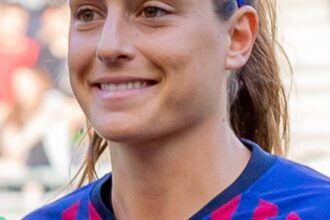
There is a word that gets used a lot in football analysis — dynasty — and it is almost always used prematurely. Teams are called dynasties after two consecutive titles. Managers are called dynasty-builders after three good seasons. The word, which implies something genuinely historic, something that will be discussed decades hence, gets applied to things that, a few years later, look rather ordinary.
Barça Femení are a dynasty. Actually a dynasty. Not the metaphorical kind.
Five consecutive Liga F titles. Five consecutive appearances in the UEFA Women’s Champions League final. Three Champions League trophies in five years. A domestic cup double last season and this. These are numbers that have no precedent in women’s club football. No team has ever done what Barça Femení are doing right now.
How They Got Here
The foundation was laid in the mid-2010s, when Barcelona’s board — influenced significantly by the successes of the men’s La Masia model — began investing seriously in the women’s programme. The signings that followed were not the flashy, expensive acquisitions of PSG or Chelsea; they were patient, structural decisions about the kind of players who suited a specific playing philosophy. Alexia Putellas was already at the club. Aitana Bonmatí arrived from the academy. Caroline Graham Hansen came from Norway. Fridolina Rolfö came from Gothenburg. Each signing added a specific quality to a system that was already working.
The key, though, was not any individual signing. It was the coach: Jonatan Giráldez, who took over from Lluís Cortés in 2021 and immediately intensified the pressing system, demanded higher defensive lines, and began rotating the squad in a way that kept the best players fresh for the biggest occasions. Under his guidance, a team that was already excellent became exceptional.
“What Barça Femení have built is not just a winning machine. It is a culture — a way of understanding football — that makes every player who joins it better.”
Aitana Bonmatí: The Best Player in the World
To discuss Barça Femení without discussing Aitana Bonmatí in some depth would be incomplete. She has won the Ballon d’Or Féminin twice in the last three years. She has won the UEFA Women’s Player of the Year twice. She has, by the consensus of almost everyone who covers the women’s game seriously, been the best footballer in the world — male or female — in multiple recent seasons.
The numbers: 31 goals and 24 assists in Liga F and UWCL last season combined. A pass completion of 93%. A progressive carry rate that places her among the top five players in Europe across both genders. She is, in every technical and statistical sense, operating at a level that the game has rarely seen.
What Makes Them Different
The difference between Barça Femení and the other great women’s club sides of the era is depth. When Lyon were dominant, their success was concentrated in perhaps seven or eight elite players. Barça’s squad, by contrast, is excellent across all eleven starting positions and several reserve options. The bench in a Barça Femení game often contains players who would start for every other team in the division. This depth — the product of sustained investment over a decade — is what makes the dynasty sustainable rather than fragile.
Five titles. The number doesn’t do justice to what they’ve built. Barça Femení are not just the best team in women’s football right now. They are one of the greatest sustained sporting achievements in the history of the game.